When selecting wood flooring for a residential or commercial project, one of the most common questions buyers ask is: Should I choose engineered wood flooring or solid hardwood flooring?
Both options offer the natural beauty and warmth of real wood, but engineered wood flooring has become increasingly popular in global markets due to its superior performance, versatility, and cost-effectiveness.
In this article, we will compare engineered wood flooring and solid hardwood flooring to help you make an informed decision.
What Is Engineered Wood Flooring?
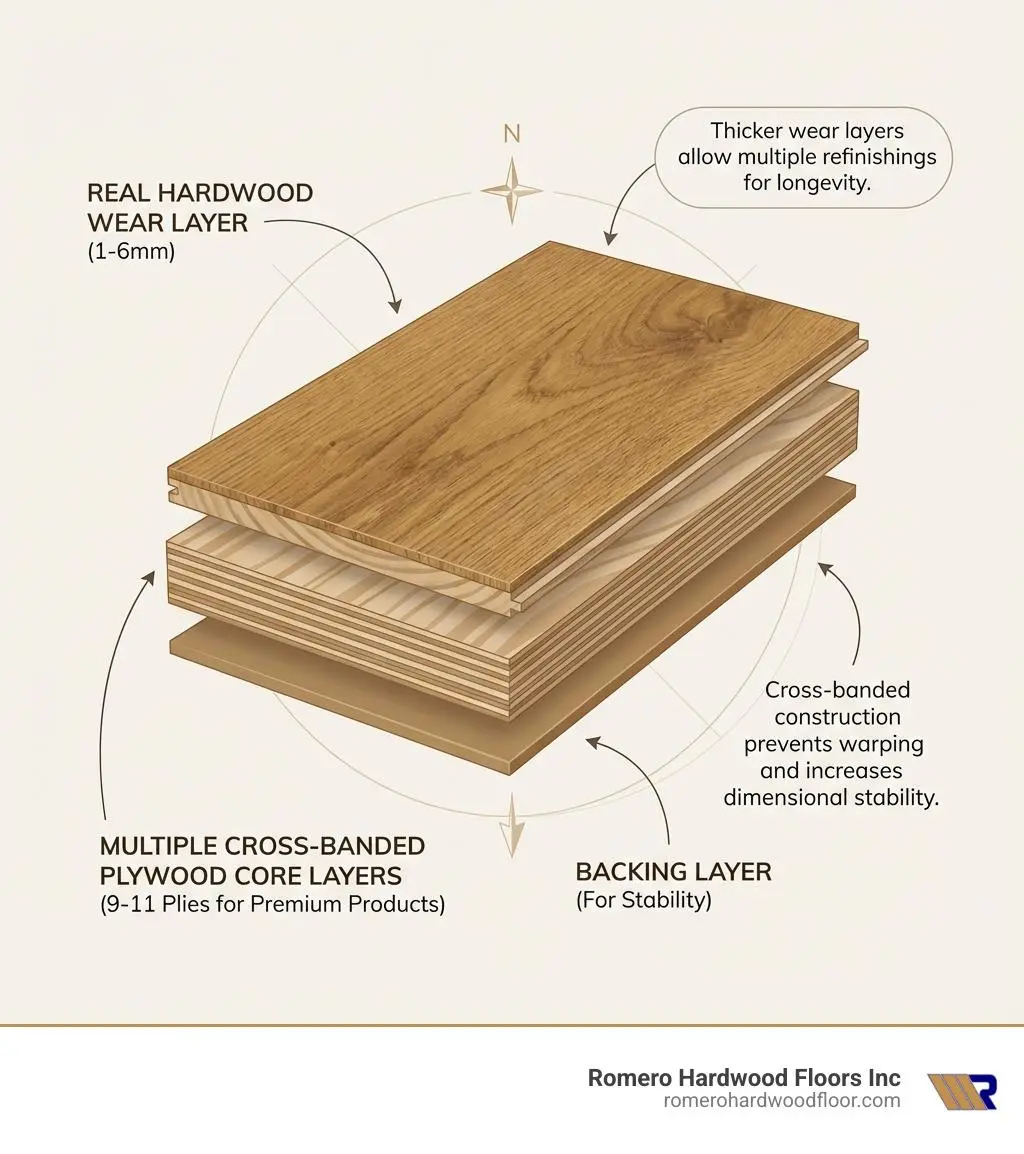
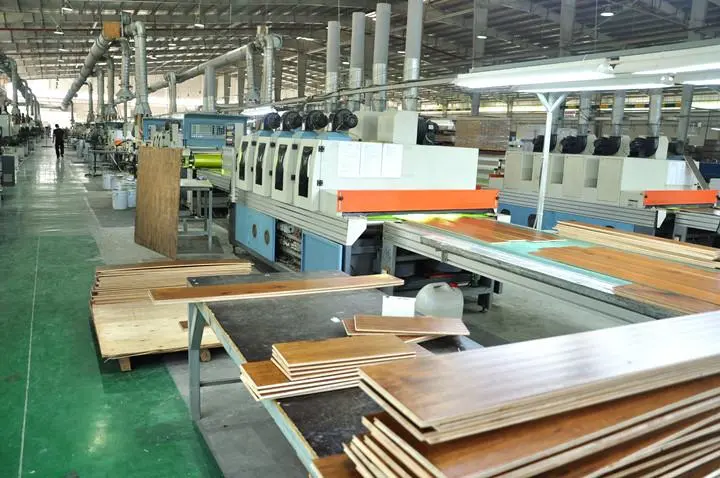
Engineered wood flooring is made from multiple layers of wood bonded together under high pressure. The top layer is a real hardwood veneer, while the core consists of plywood or high-density hardwood layers arranged in a cross-grain structure.
This construction creates a highly stable flooring product that maintains the appearance of solid wood while reducing many of its limitations.
What Is Solid Hardwood Flooring?
Solid hardwood flooring is manufactured from a single piece of natural wood throughout its entire thickness. Popular species include oak, walnut, maple, and ash.
While solid hardwood has been used for centuries, it is more susceptible to environmental changes such as moisture and temperature fluctuations.
1. Superior Stability
One of the biggest advantages of engineered wood flooring is dimensional stability.
Solid hardwood naturally expands and contracts when humidity levels change. This movement can lead to gaps, cupping, or warping over time.
Engineered wood flooring is specifically designed to minimize these issues. The cross-layer construction significantly reduces movement, making it suitable for a wider range of climates and installation conditions.
For regions with seasonal humidity changes, engineered flooring often provides a more reliable long-term solution.
2. Suitable for More Installation Environments
Engineered wood flooring can be installed in locations where solid hardwood is generally not recommended.
These include:
Basements
Apartments
Concrete subfloors
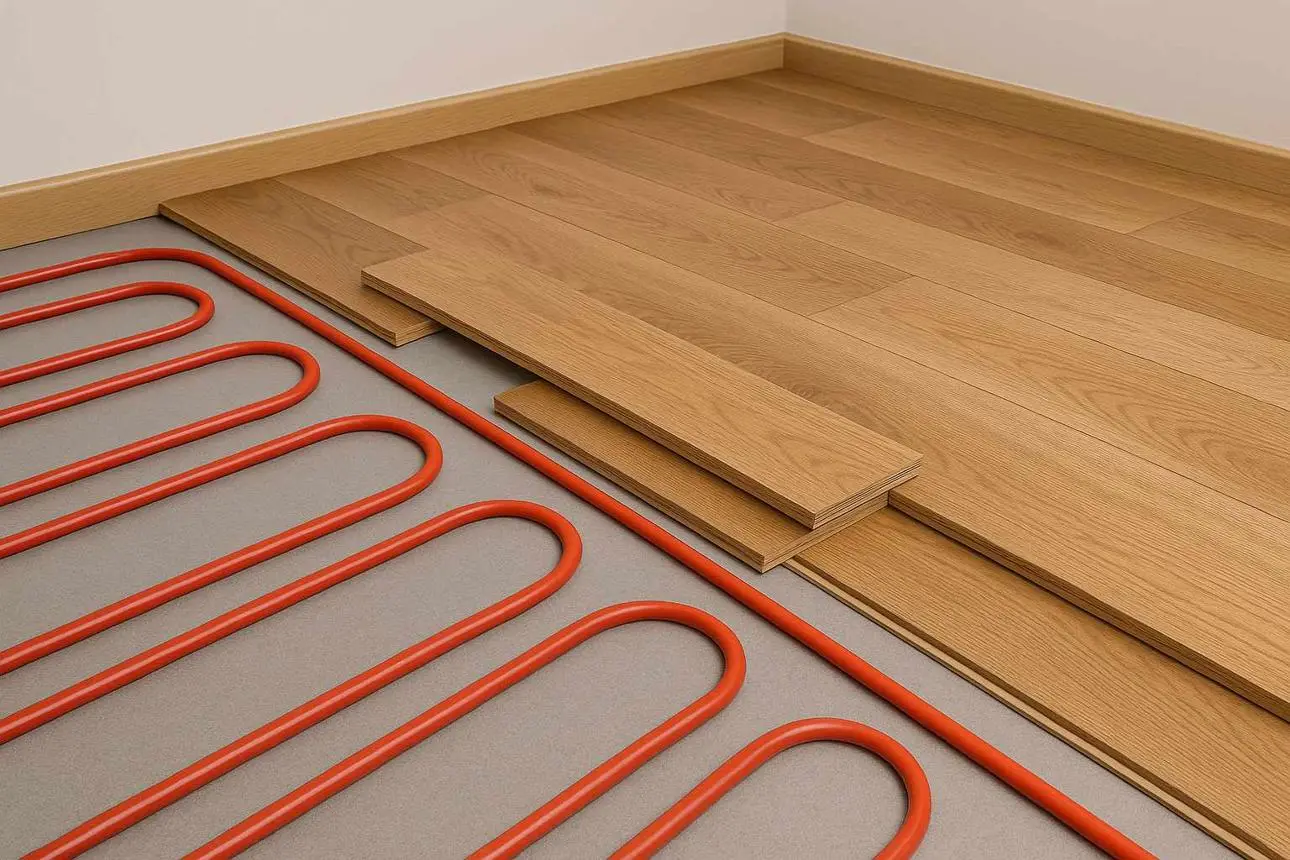
Underfloor heating systems
High-rise buildings
Its stability allows it to perform well in environments with varying moisture levels, making it a practical choice for modern construction projects.
3. Easy and Efficient Installation
Many engineered flooring products feature click-lock or tongue-and-groove systems.
This provides several installation options:
Floating installation
Glue-down installation
Nail-down installation
The flexibility reduces labor costs and installation time, benefiting both contractors and homeowners.
4. Real Wood Appearance
Some buyers mistakenly believe engineered flooring looks artificial.
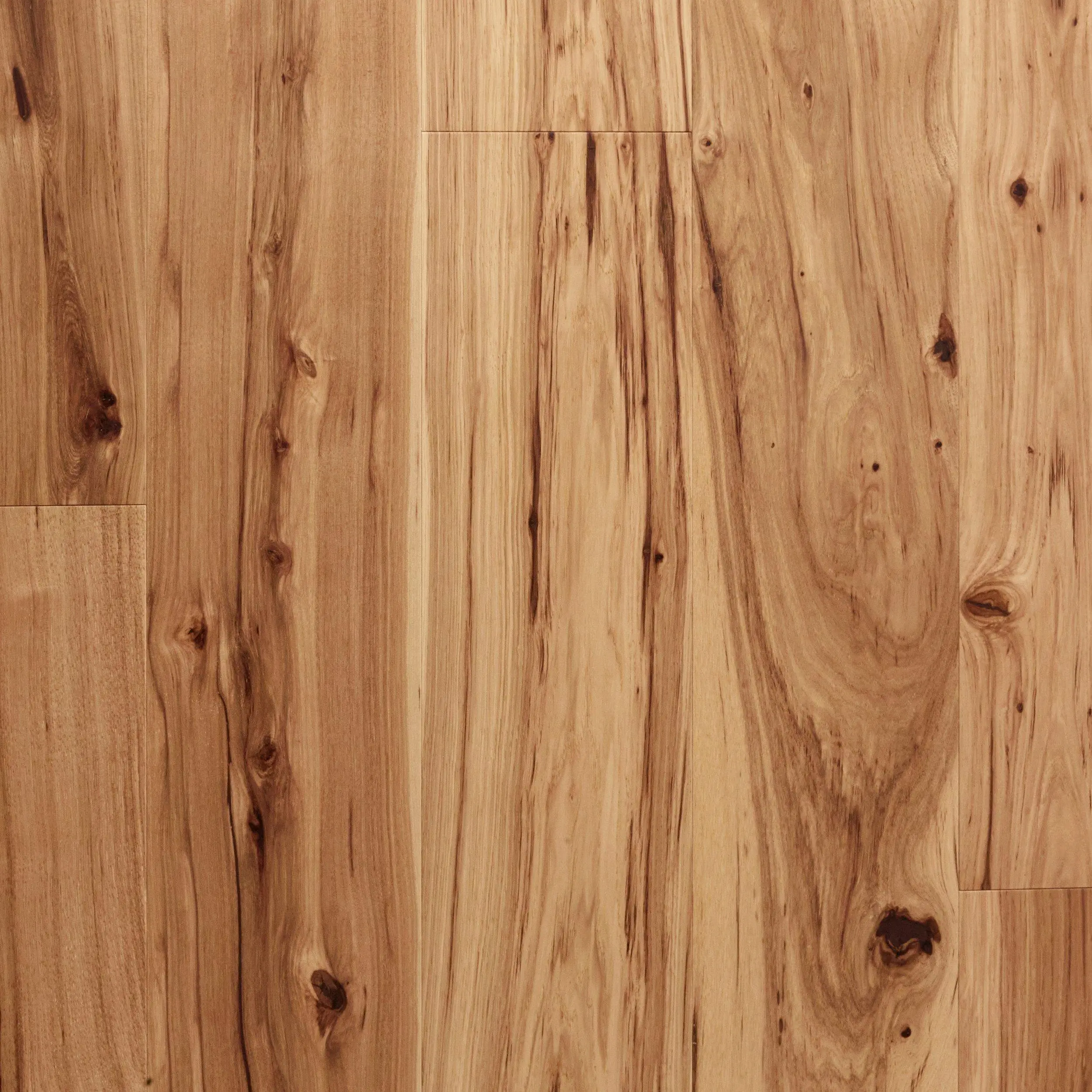
In reality, high-quality engineered flooring features a genuine hardwood wear layer. The surface displays the same grain patterns, texture, and natural beauty as solid hardwood flooring.
Whether you choose European oak, walnut, or ash, engineered flooring delivers an authentic wood appearance that enhances any interior design style.
5. Better Compatibility with Underfloor Heating
Underfloor heating has become increasingly popular in Europe and many modern residential developments.
Solid hardwood can react significantly to temperature changes, increasing the risk of movement and cracking.
Engineered wood flooring performs much better because its layered construction improves resistance to thermal expansion and contraction.
As a result, many architects and developers specify engineered flooring for projects with radiant heating systems.
6. Sustainable Use of Hardwood Resources
Sustainability is becoming a major consideration for buyers worldwide.
Engineered flooring uses hardwood more efficiently because only the top layer consists of premium hardwood species.
The core layers utilize fast-growing or sustainably sourced wood materials, reducing overall hardwood consumption while maintaining the same visual appeal.
This approach supports responsible forestry and environmental conservation efforts.
7. Cost-Effective Investment
While pricing varies depending on species, thickness, and finish, engineered wood flooring often provides excellent value.
Buyers benefit from:
Lower installation costs
Reduced maintenance risks
Better performance in changing environments
Longer-term stability
These advantages contribute to a lower total cost of ownership over the life of the floor.
Which Flooring Should You Choose?
The right choice depends on your project requirements.
Choose solid hardwood if:
You prefer traditional construction methods.
The environment is climate-controlled.
Multiple future sanding cycles are a priority.
Choose engineered wood flooring if:
Stability is important.
The project includes underfloor heating.
Installation is over concrete.
You need reliable performance in varying climates.
Sustainability is a key concern.
For most modern residential and commercial applications, engineered wood flooring offers the best balance of beauty, durability, flexibility, and value.
Final Thoughts
Engineered wood flooring combines the natural elegance of hardwood with advanced manufacturing technology. Its superior stability, installation flexibility, and environmental advantages make it one of the most popular flooring solutions in today’s market.
Whether you are a homeowner, flooring distributor, importer, or project developer, engineered wood flooring delivers long-lasting performance without compromising aesthetics.
As demand for sustainable and high-performance building materials continues to grow, engineered wood flooring is expected to remain a leading choice worldwide.